
Table of Contents
- The Real Cost of a $5 T-Shirt: Defining Fast Fashion
- The Environmental Impact of Fast Fashion: Water, Waste, and Carbon
- Labor Exploitation and the Human Cost of Cheap Clothing
- The Economic Argument: Why Fast Fashion Thrives
- Fast Fashion vs Ethical Fashion: What's the Real Difference?
- How to Build a Sustainable Wardrobe (Without Spending a Fortune)
- The Psychology of Overconsumption: Why We Buy Too Much
- Conclusion: Is Fast Fashion Really That Bad?
- Frequently Asked Questions
Last Updated: September 30, 2026
The Real Cost of a $5 T-Shirt: Defining Fast Fashion
Fast fashion is a business model built on rapid trend replication, low-cost manufacturing, and high-volume sales that moves runway styles into stores within weeks. This guide from Our Realiteez examines whether fast fashion is really that bad across its environmental, human, and economic dimensions.
The short answer: yes, the costs are substantial. But the full picture is more nuanced than most headlines suggest. Below, we'll break down what fast fashion actually costs, why it persists, and how to make better choices without guilt or financial strain.
The Environmental Impact of Fast Fashion: Water, Waste, and Carbon
The environmental impact of fast fashion is severe and measurable. Textile production consumes enormous water, generates significant carbon emissions, and creates waste at every stage of a garment's life, from fiber cultivation to disposal.
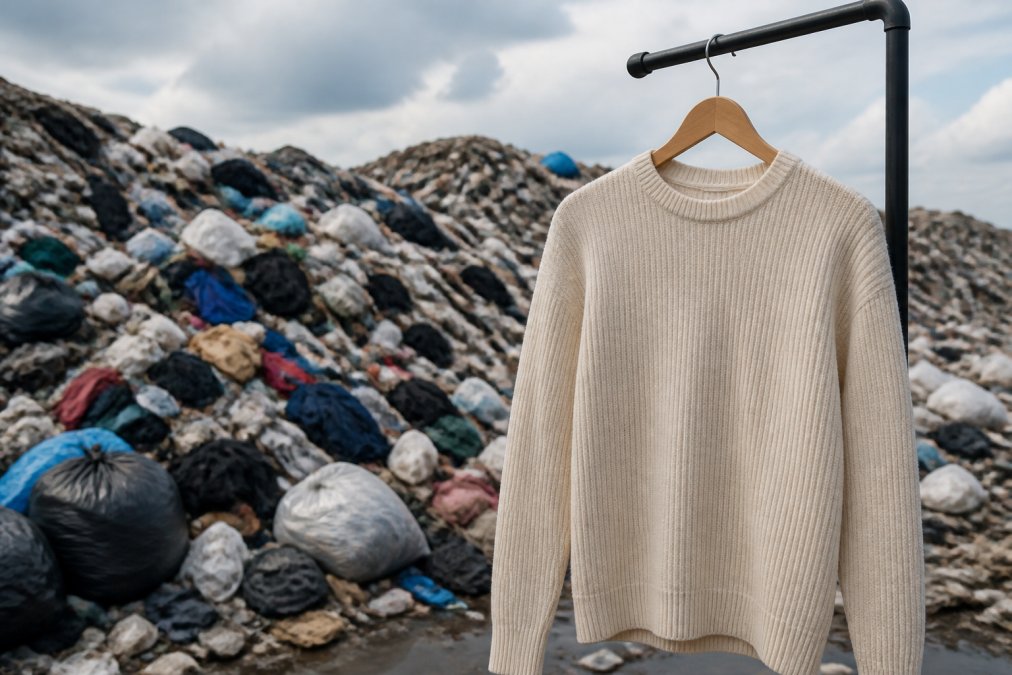
According to the United Nations Environment Programme, the fashion industry is a major contributor to global environmental degradation. The U.S. Environmental Protection Agency reports that textiles make up a significant and growing share of municipal solid waste, with Americans discarding millions of tons of clothing and footwear each year. Those two facts frame the problem: production is resource-intensive, and disposal is poorly managed.
Water Consumption and Toxic Runoff
Water consumption in textile production is staggering, and cotton is the thirstiest input. Growing the cotton for a single conventional T-shirt can require roughly 700 gallons of water when you account for irrigation, processing, and dyeing. A pair of denim jeans can require well over 1,000 gallons. These figures represent water withdrawn from rivers, aquifers, and reservoirs, often in regions already facing water stress.
Synthetic dyeing adds another layer of harm. Conventional dyeing and finishing use chemical dyes, fixatives, and heavy-metal compounds, and in many manufacturing regions untreated effluent is discharged directly into waterways, contaminating rivers and groundwater that supply drinking water, fisheries, and local ecosystems. This is one of the least visible but most damaging aspects of the fast fashion supply chain, the harm happens upstream, far from the consumer who sees only the price tag.
Synthetic Fibers, Microplastics, and Landfill Waste
Synthetic fibers like polyester, nylon, and acrylic now dominate fast fashion production. They are derived from petroleum, do not biodegrade in any meaningful timeframe, and shed microplastics with every wash. A single synthetic garment can release hundreds of thousands of microplastic fibers per wash cycle, which pass through wastewater treatment plants into rivers, lakes, and oceans, entering the food chain.
Textile waste is a growing crisis. The EPA has documented that clothing and footwear waste in the municipal solid waste stream has roughly doubled over the past two decades, even as textile recycling rates remain in the low double digits. Most discarded clothing ends up in landfills or incinerators. Recycling programs capture only a fraction of what is thrown away, and much of what is collected is downcycled into insulation, rags, or carpet padding rather than new clothing.
The Carbon Footprint Nobody Prices In
Carbon emissions from the fashion industry are estimated by the United Nations Environment Programme to account for a meaningful share of global greenhouse gas emissions, more than all international flights and maritime shipping combined, by some estimates. Those emissions come from energy used in fiber production, spinning, weaving, dyeing, finishing, shipping, and eventually disposal. Because the price of a $5 T-shirt does not include the cost of that carbon, the environmental damage is an externality, a cost borne by everyone rather than the buyer or the seller. That single mechanism explains why fast fashion can look cheap while being extraordinarily expensive in real terms.
Labor Exploitation and the Human Cost of Cheap Clothing
Labor exploitation remains a persistent problem in fast fashion supply chains. Garment workers in many producing countries earn below living wages, face unsafe conditions, and lack basic labor rights.
Supply chain transparency is limited. Most major fast fashion brands cannot trace their products to the factory level, making working conditions difficult to verify and allowing exploitation to continue largely unchecked.
The International Labour Organization has documented widespread issues in garment manufacturing, including excessive hours, wage theft, and barriers to organizing. Progress has been made in some regions, but enforcement remains inconsistent.
Fair wages are the exception, not the norm. A worker sewing a low-priced shirt may earn a tiny fraction of its retail price, one of the clearest indictments of the fast fashion model.
The Economic Argument: Why Fast Fashion Thrives
Fast fashion thrives because it solves a real problem: people want affordable, stylish clothing, and the model delivers it at a price point that fits real budgets. Dismissing this as mere consumer weakness misses why the industry grew.
Low prices expand access to fashion for budget-conscious consumers, and fast-paced retail creates millions of jobs globally in manufacturing, logistics, and retail. Mass production lowers unit costs through economies of scale, making trend-driven style available to far more people than luxury fashion ever could.
The Cost-Per-Wear Calculation: The Math Fast Fashion Hopes You Skip
The cost-per-wear calculation is the single most useful tool for cutting through the affordability argument: divide the purchase price by the number of times you actually wear the item.
The Resale Market and the Limits of the Circular Economy
The resale market is often presented as the economic fix for fast fashion, and it does help. Second-hand shopping extends garment life, reduces demand for new production, and gives budget-conscious shoppers access to higher-quality pieces at lower prices.
Fast Fashion vs Ethical Fashion: What's the Real Difference?
Fast fashion vs ethical fashion comes down to priorities: speed and price versus durability, transparency, and fair treatment of workers and the environment.
| Factor | Fast Fashion | Ethical Fashion |
|---|---|---|
| Production speed | Weeks | Months |
| Materials | Mostly synthetic | Natural, recycled, or organic |
| Worker wages | Often below living wage | Fair wages prioritized |
| Durability | Low, designed for short cycles | Higher, built to last |
| Transparency | Limited | Traceable supply chain |
| Price | Low upfront | Higher upfront |
Greenwashing: How to Spot It
Greenwashing is when brands exaggerate or misrepresent their environmental efforts. Common tactics include vague claims like "eco-friendly" without specifics, small capsule collections marketed as sustainable while the core business remains unchanged, and self-awarded rather than third-party-verified certifications.
How to Build a Sustainable Wardrobe (Without Spending a Fortune)
How to build a sustainable wardrobe starts with buying less and choosing better, no need to replace your entire closet or spend a fortune on premium brands.
Start with these steps:
- Audit what you already own and identify gaps
- Commit to a one-in, one-out rule for new purchases
- Prioritize versatile pieces that work across multiple outfits
- Shop second-hand first for basics and statement items
- Repair before replacing when possible
- Research brands before buying to check labor and material practices
- Choose quality over quantity, even if the upfront cost is higher
The Cost-Per-Wear Calculation
Cost-per-wear also exposes the real cost of disposable clothing. Items designed for short trend cycles rarely get enough wears to justify even a low price.
Second-Hand and Circular Economy Nuances
Biodegradability is another factor. Natural fibers break down more readily than synthetics, but only under the right conditions. Most landfills do not provide those conditions, so even "biodegradable" garments can persist for years.
The Psychology of Overconsumption: Why We Buy Too Much
Consumer behavior drives fast fashion as much as corporate strategy. Understanding why we buy too much is the first step toward buying less.
Conclusion: Is Fast Fashion Really That Bad?
Is fast fashion really that bad? The evidence says yes on environmental and labor grounds, but the answer is not simply "stop buying clothes." The real issue is a system that externalizes costs onto workers and the planet while delivering short-term affordability.
Frequently Asked Questions
How harmful is fast fashion to the environment?
Fast fashion contributes to water pollution, carbon emissions, and landfill waste. The industry uses massive amounts of water for cotton and synthetic fibers, and chemical dyes often end up in rivers. Synthetic fabrics shed microplastics when washed, and millions of tons of textiles end up in landfills each year. The environmental impact is significant, but consumer choices like buying second-hand or choosing durable garments can reduce it.
Is it true that 85% of all textiles go to dumps each year?
The 85% figure refers to the percentage of textiles that end up in landfills or incinerators rather than being recycled. While exact numbers vary by source, the U.S. Environmental Protection Agency reports that textile waste in municipal solid waste reached 17 million tons in recent years, with only a small fraction recycled. The core point stands: most clothing is discarded, not reused.
Can fast fashion ever be considered ethical?
Fast fashion is defined by low prices, rapid trend cycles, and mass production, which often conflict with ethical manufacturing and fair wages. Some brands have introduced sustainability lines or transparency reports, but critics call this greenwashing when core practices remain unchanged. A truly ethical approach requires supply chain transparency, safe working conditions, and environmental responsibility across all operations, not just a capsule collection.
How does the lifespan of a garment impact its sustainability?
Extending a garment's life reduces its environmental footprint per wear. A shirt worn 50 times has half the carbon impact per wear compared to one worn 25 times. This is where cost-per-wear matters: a $100 jacket worn 100 times costs $1 per wear, while a $20 jacket worn 5 times costs $4 per wear. Durable, timeless pieces and proper care (washing less, repairing) lower the overall impact.
Leave a comment